Ronda
Ronda is possibly the oldest village in the whole of Malaga province and probably the most famous. Birthplace of bullfighters and legends, of stories and of bandits that mugged the unaware travellers.

Origin of Ronda
In Ronda, Neolithic remains have been found, like the paintings in the ‘Pileta Cave’. The Celtics were the ones to name it for the first time in the 6th century b.C. (Arunda) to later on be changed to Runda when conquered by the Greeks. The Phoenicians created a settlement in a small village nearby known as Acinipo.
Ronda, as we know it, was founded during the Roman General Escipion’s campaign against the Carthaginians towards the end of the 3rd century b.C. when the castle was ordered to be built, favouring this way the settling of the population in the surroundings. Ronda passed onto becoming a city and its citizens to romans during the reign of Julius Caesar.
In the 5th century, with the end of the Roman empire, the city was taken over by the Barbarians, and Acinipo was definitively abandoned.
Transfer Malaga airport to Ronda
When going from Malaga airport to Ronda, an easy, fast and comfortable transportation method is the airport transfer:
- They are waiting for you even when your flight is delayed.
- You know what you have to pay with no hidden charges.
- The price is excelent, sometimes even cheaper than a taxi!
- Friendly and bilingual chauffer always willing to help with your luggage.
- Top recommended Malaga airport transfer to Ronda companies.

Beware of unlicensed drivers!
History of Ronda
 Around the year 713, Ronda passed on to be Muslim, and its name was changed to Izn-Rand Onda (the city of the castle...you can observe that its name gradually starts looking more like its name today). Later on, with the fall of Cordoba’s Caliphate, the city became the Taifa of Ronda, an independent kingdom during which most part of the existing Islamic monumental patrimony in the old quarter of Ronda will be created.
The city’s Islamic period ended when it was conquered by the Catholics on the 22nd of May 1485 after a very long siege; after the conquer new elements were built on top of the Muslim constructions.
Between the 16th and the 17th century, the city as we know it today was formed, with its inns, churches, monasteries, etc..
In the 18th century the city went through important new constructions, amongst which we must highlight the Puente Nuevo (the new bridge), a symbol of the city, and the bullring; Furthermore, many romantic myths of bandits and bullfighters arose as it was as from the Napoleonic invasion when the banditry originated in the area, due to the formation of guerrillas to fight the invaders, after the war they had no more resources and dedicated their lives to road assaults and smuggling products from Gibraltar.
What to see in Ronda
 Ronda has many monuments to visit, and its continental Mediterranean climate helps when exploring the city. The ideal months to visit Ronda are in Spring or Autumn.
- Puente Nuevo (‘New Bridge’, built between 1759 and 1793), situated next to the Puente Viejo (‘Old Bridge’, without a defined date of origin, but it’s suspected that it was Roman and then rebuilt by the Arabs).
- The Arab baths, one of the best conserved in the whole of Spain, so if you visit Ronda, you can’t leave without seeing them.
- The Almocabar Gate is situated in the southern part of Ronda. It was built in the 8th century and was modified by Carlos the Fifth. Its located nearby the old Muslim cemetery.
A stroll through Ronda will let us discover the multiple wonders that this city offers. Take your time and enjoy it. Enjoy its culture and its constructions...so much history has passed by it and hides behind its Islamic walls, that our visit is worth a thorough exploration, with all the time in the world.
Ronda video

1 day trip to Ronda
1 day trips to Ronda are not expensive and you can enjoy a guided tour from Malaga to Ronda which is highly recommended, even if you already know Ronda.
Ronda Pictures
Looking for some images and pictures from Ronda in Malaga?, check below our photos from Ronda or check our Ronda photo gallery.
Ronda useful information
| Area | 384.58 km² |
| Population | 34.268 hab |
| Time Zone | (UCT+1) |
| Web Site | http://www.ronda.es |
- Ayuntamiento de Ronda
Plaza Duquesa de Parcent, 1, Ronda - Tel: 952 873 240
- http://www.turismoderonda.es/en/
- Wikipedia Ronda
When using our own vehicle for getting to Ronda we can make more stops at the surroundings villages.

 Festivals and Fairs in Malaga in November
 Malaga Fairs and Festivals in October
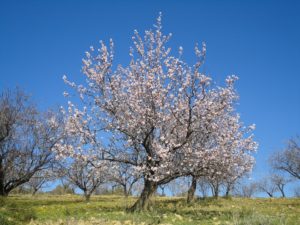 Malaga in February – The month of the Almond Blossom and Springtime